Premium Packaging on a Budget: Smart Design Decisions That Don’t Cost Extra
How to elevate your product without increasing production costs
Creating premium packaging doesn’t always require premium budgets. In fact, some of the most elegant, high-end designs rely on smart choices, not expensive materials. For many startups and small brands, packaging is the first impression, and often the main reason a customer chooses one product over another. But when budgets are tight, brands feel limited to “simple” packaging that fails to stand out.
The truth is: premium is a perception, not a price tag.
With strategic design decisions, you can achieve a luxury look and strong shelf presence while keeping costs under control. Here are the most effective ways to elevate your packaging without spending more on production.
1. Use Typography as Your Main Luxury Element
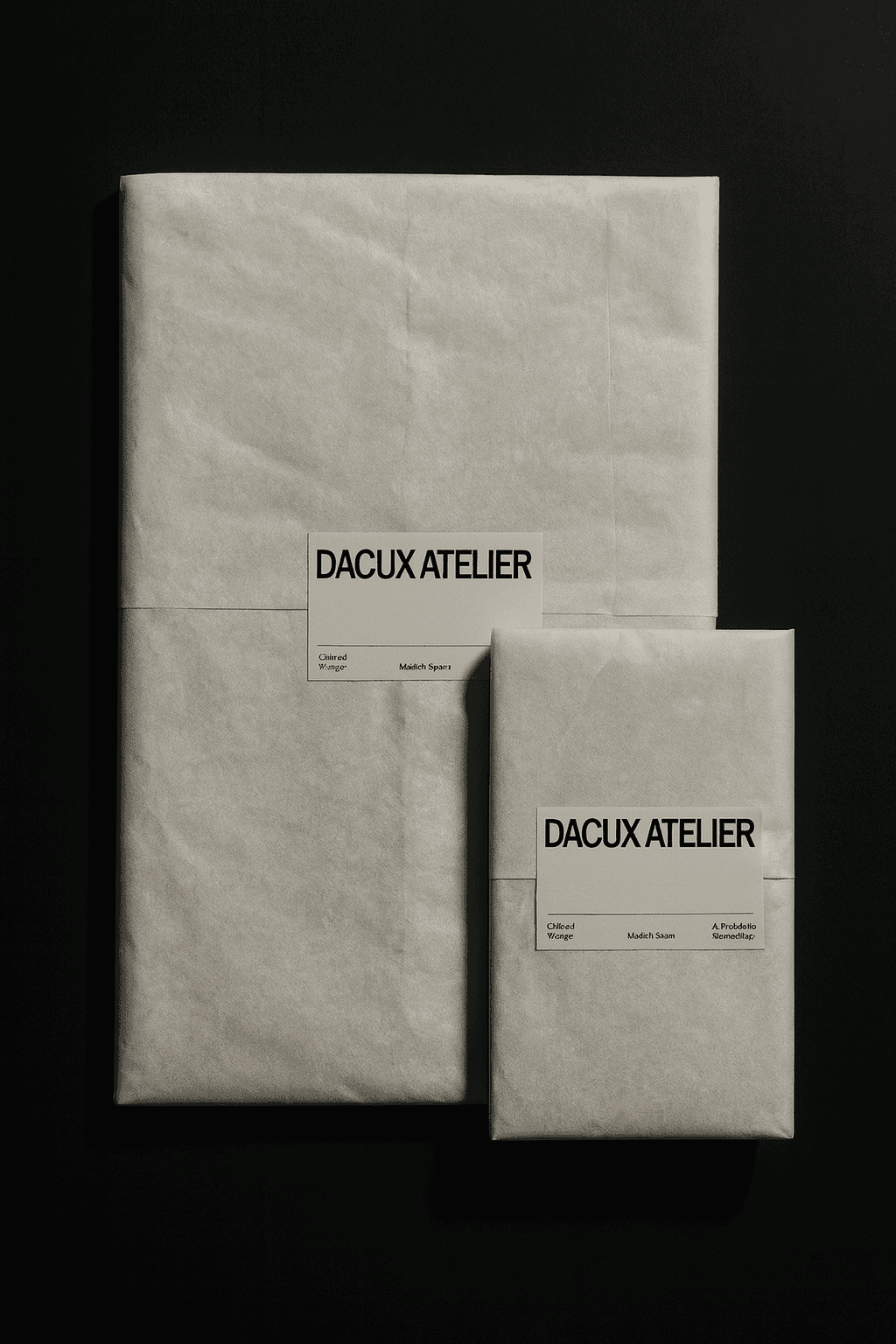
Typography is one of the cheapest ways to create a high-end impression because fonts don’t add production costs.
A minimal layout with carefully chosen typefaces often feels more premium than complex graphics.
Luxury brands follow three principles:
Large amounts of white space
Strong typographic hierarchy
Limited, elegant type combinations
Think of Aesop, Le Labo, or high-end wineries: typography is the brand.
Why it works:
Clean type suggests confidence. It signals that the product is strong enough to stand on its own without visual noise.
2. Choose a Minimal Color Palette (1–2 Inks)
More colors = more cost.
But fewer colors, used intentionally, often look more refined.
A premium palette can rely on:
Black + one accent color
White + charcoal
Earth tones for natural products
A single metallic ink (if budget allows)
Even with just one color, clever layout and contrast can create a luxurious look.
Tip:
If printing digitally, you can still achieve incredible richness using CMYK values—no need for special Pantones.
3. Pick the Right Paper or Material (Without Going Premium)
Many brands think they need ultra-expensive textured papers, but you can achieve a premium feel with smart stock selection:
Natural kraft → artisanal and eco-friendly
Smooth matte papers → cosmetic and minimal
Satin/matte laminates → elevated but cost-effective
Recycled white papers → sustainable premium look
Sometimes the absence of finishes feels more modern and intentional.
Tip:
Uncoated stocks tend to feel more expensive even when they cost the same as coated options.
4. Use Printing Techniques Strategically
You don’t need foil, embossing, debossing, varnish, or emboss plates to look premium (although they help). Instead, use smart layout decisions that mimic premium cues:
Contrast between large and small type
Simple geometric layouts
Strong margins and spacing
Bold center alignment
If you do add a special finish, keep it intentional and minimal — e.g., one small gold stamp instead of a full foil area. This reduces plate costs.
5. Leverage Negative Space
Nothing says “premium” like confidence and simplicity.
White (or empty) space:
Improves readability
Creates visual calm
Emphasizes the product name
Makes the packaging feel high-end
It’s also 100% free.
Brands with limited budgets should avoid clutter: fewer design elements look more elegant and reduce printing variables.
6. Apply a Modular System for Multiple SKUs
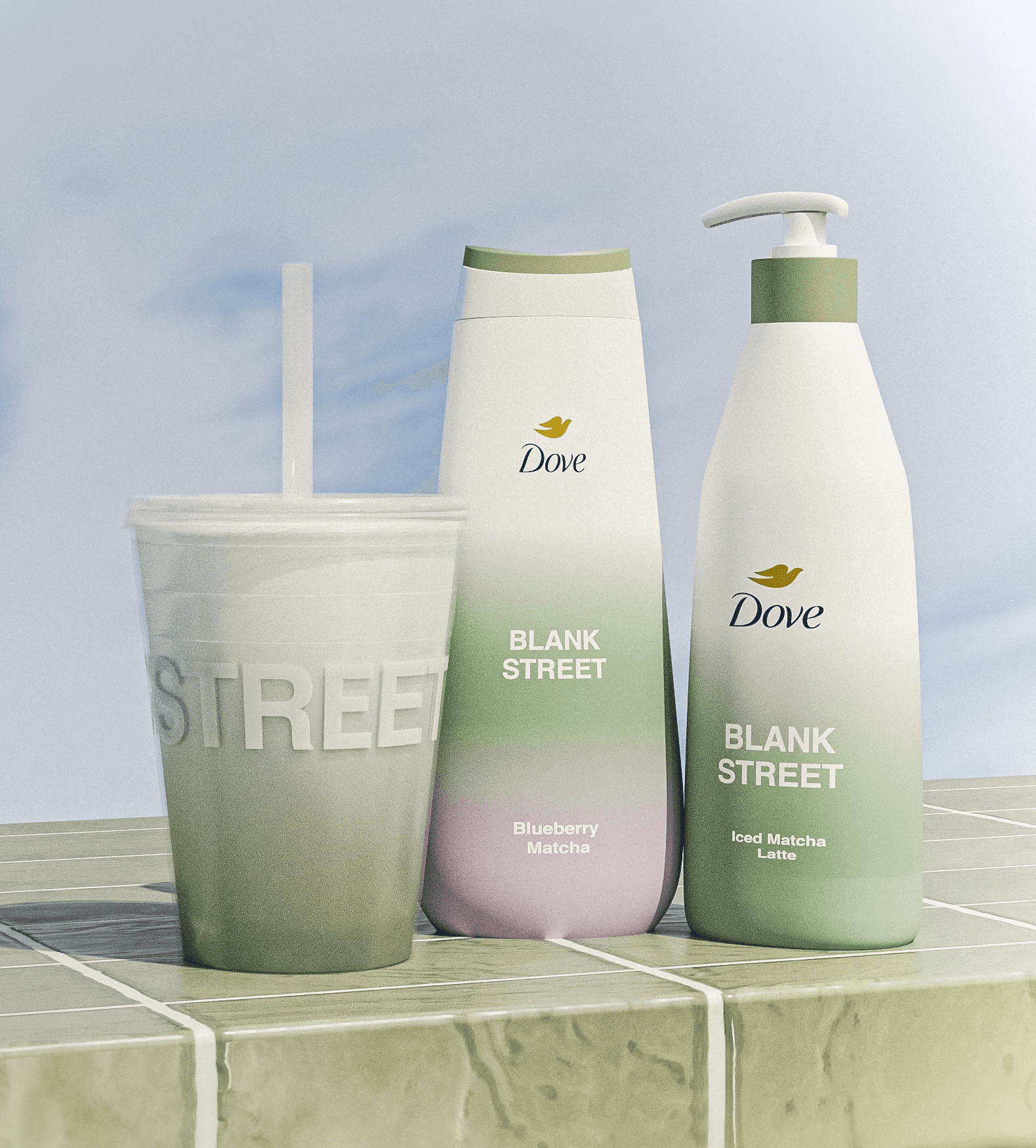
If your brand has multiple flavors, scents, or varietals, use a modular system rather than fully unique designs.
For example:
Same layout
Same grid
Same typography
Only change the color, name, or icon
This saves:
Time in design
Money in printing (same dieline, same process)
Effort in production management
And visually, the result is more “brand system” and less “chaotic”—a premium impression.
7. Use Patterns or Illustrations That Don’t Increase Costs
You can introduce richness through:
Subtle line-art
Repeated geometric shapes
Minimal botanical drawings
Tonal patterns (lighter or darker versions of the same ink)
If using only black ink, you can still create storytelling and texture with line variation and shading.
Premium doesn’t need to be expensive; it just needs to be intentional.
8. Develop a Strong Label Hierarchy
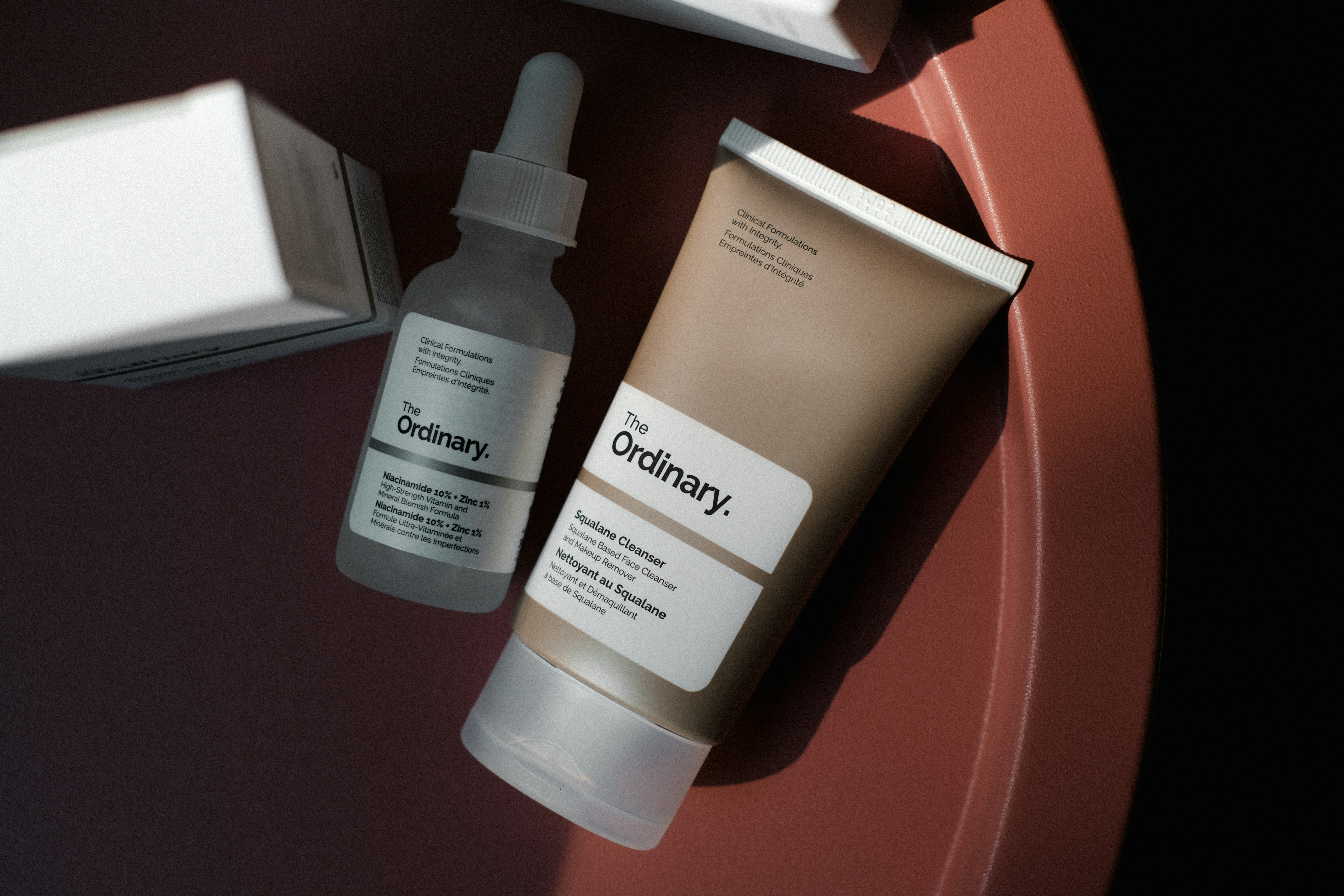
Consumers notice premium packaging when information feels well-organized.
A clear hierarchy:
Makes the product easier to understand
Adds trust
Feels more “designed”
Gives a premium structure
Hierarchy elements include:
Product name as hero
Subheading
Small technical details
Batch information
Vertical or left-aligned blocks
Letter spacing for elegance
Good hierarchy makes even cheap materials feel elevated.
9. Make the Shape Work for You
If you’re using a standard bottle or container, design around it in a way that feels premium:
Vertical labels feel more modern
Slim bands around the neck add sophistication
Wrap-around labels feel artisanal
Centered layouts feel luxurious
You don’t need custom moulds — just smart alignment with the container’s geometry.
10. Use 3D Renders to Make It Look Premium Online
This is your advantage.
Even if a brand prints on simple stock, high-end 3D renders can make the product look luxurious in all marketing materials.
3D allows you to simulate:
Rich lighting
Soft shadows
Depth
Macro details
Premium reflections
This is essential for e-commerce, social media, and presentations.
And the best part:
It costs nothing in production, only in design.