Spirits Packaging
Why Bottle Design Defines the Brand Before the Label Does
The bottle is not just a container, it’s the first signal of quality, intention, and positioning. Before typography, before storytelling, before anything else, form defines perception.
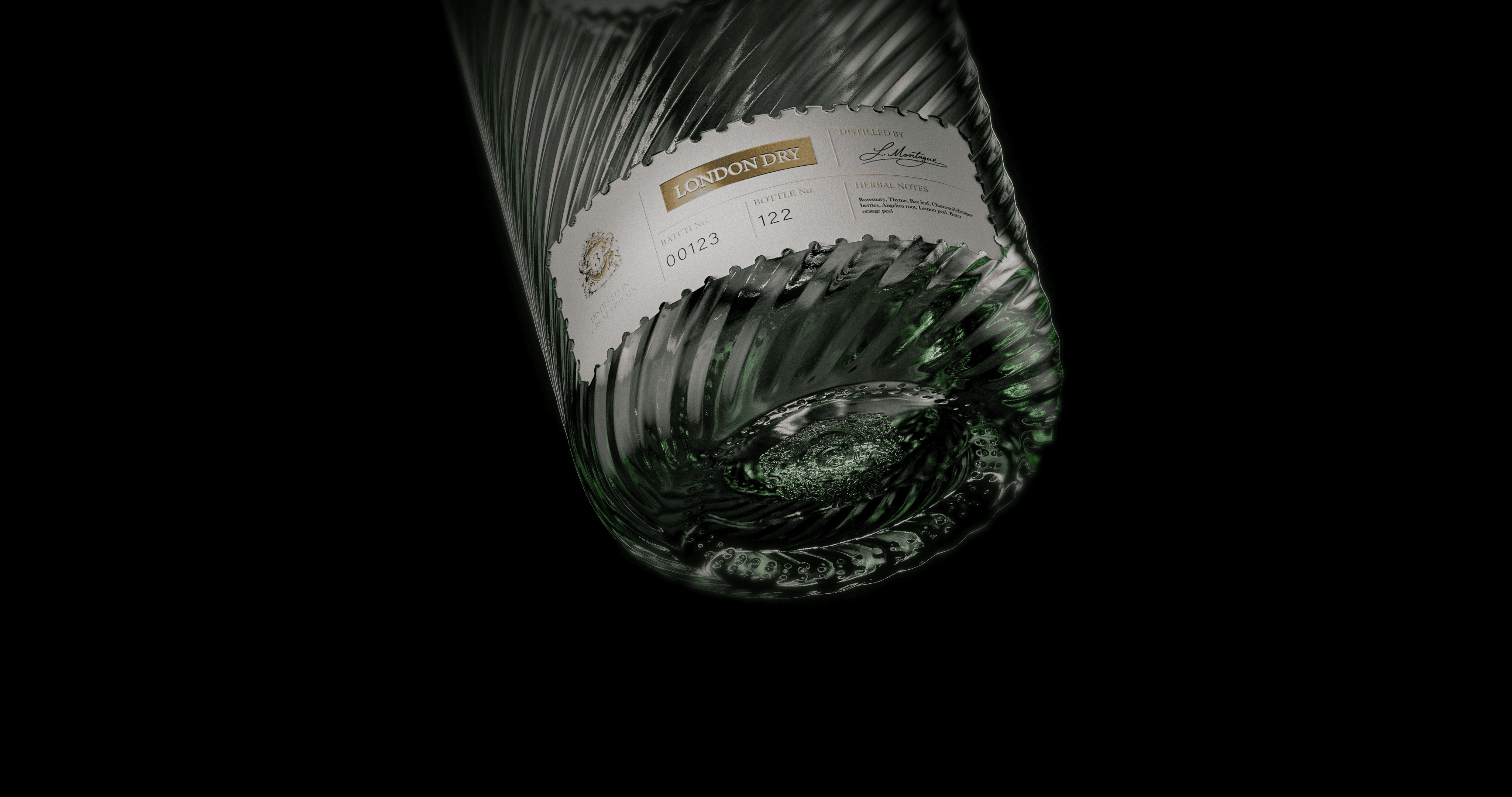
The bottle speaks first
Most spirits brands focus on the label first, but the bottle is often the first thing people actually perceive. Its silhouette, proportions, and weight already suggest whether the product feels premium, generic, modern, or traditional.
Before typography or storytelling has a chance to work, the bottle has already made an impression.
Form defines perception before graphics do
The structure of the bottle shapes how the entire product is understood. A strong silhouette creates presence on shelf. A generic one makes even a well-designed label feel less distinctive.
That is why bottle choice is not just a production decision. It is a branding decision.
The label isn’t the product. The bottle is.
A label can enhance the object, but it cannot fully transform it. If the bottle feels standard, the brand will often feel standard too.
Strong packaging happens when structure and graphics work together, not when the label tries to compensate for a weak foundation.
The opening moment defines the experience
The product experience does not start when someone tastes what is inside. It starts when they first touch the bottle and open it.
The closure, the sound, the resistance, and the tactility all contribute to perception. These small moments make the brand feel more intentional and memorable.
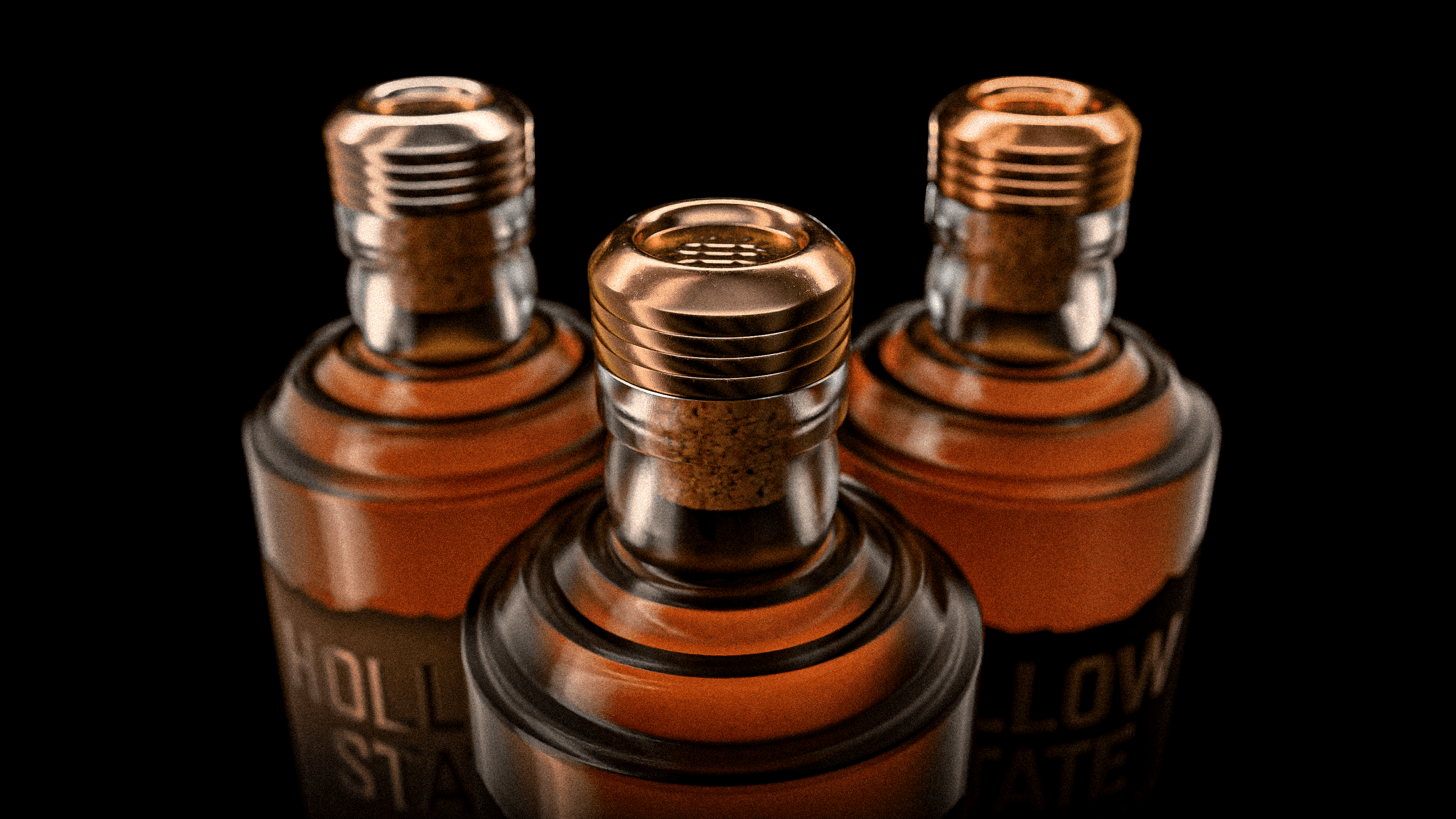
A premium feel comes from decisions, not decoration
Premium packaging is not only about adding detail. It comes from making the right structural choices from the start.
The right bottle, the right proportions, and the right closure create a sense of value before any graphic element is even read.
Conclusion
Bottle choice matters because it defines the object before the label ever does.
In spirits packaging, structure is not secondary. It is one of the strongest tools a brand has to shape perception, build presence, and create a more convincing premium experience.