Spirits Packaging
Why most spirits packaging feels generic
Most whiskey packaging aims to feel premium, but many brands end up looking interchangeable. Here’s what creates real shelf presence and how to design packaging that stands out.
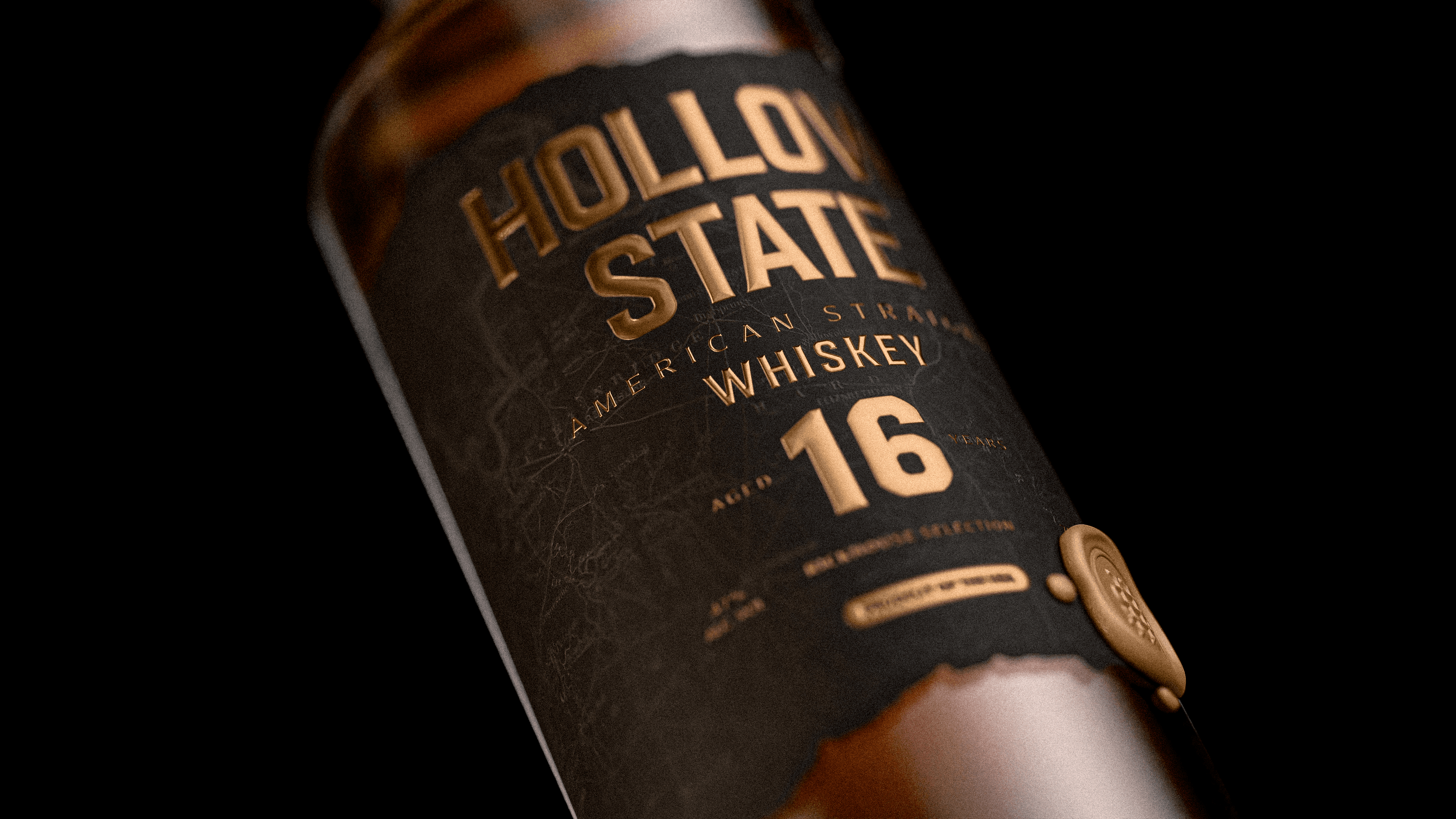
Most packaging copies signals instead of building identity
Walk into any spirits aisle and you will quickly notice how familiar everything feels.
Dark bottles, serif typography, gold accents, textured papers. These elements have become the visual language of “premium” within the category. They are widely used because they work, but also because they are expected.
The problem is that most brands are not building their own identity. They are borrowing the same signals that already exist.
Instead of defining how the brand should look and behave, they replicate what already feels credible. Over time, this creates a category where everything appears well designed, but nothing feels truly distinct.
The packaging communicates quality, but not individuality.
When everything looks correct, nothing feels distinctive
Most spirits packaging today is not poorly designed. In fact, much of it is carefully executed.
Typography is balanced. Layouts are controlled. Materials are considered.
Everything looks right.
But when every brand follows the same logic, correctness becomes invisible. The designs stop competing on identity and start blending into a shared visual standard.
This is why so many bottles feel interchangeable. Not because they are bad, but because they are too aligned with what is already expected.
Distinctiveness rarely comes from doing everything correctly. It comes from making clear decisions that go beyond convention.
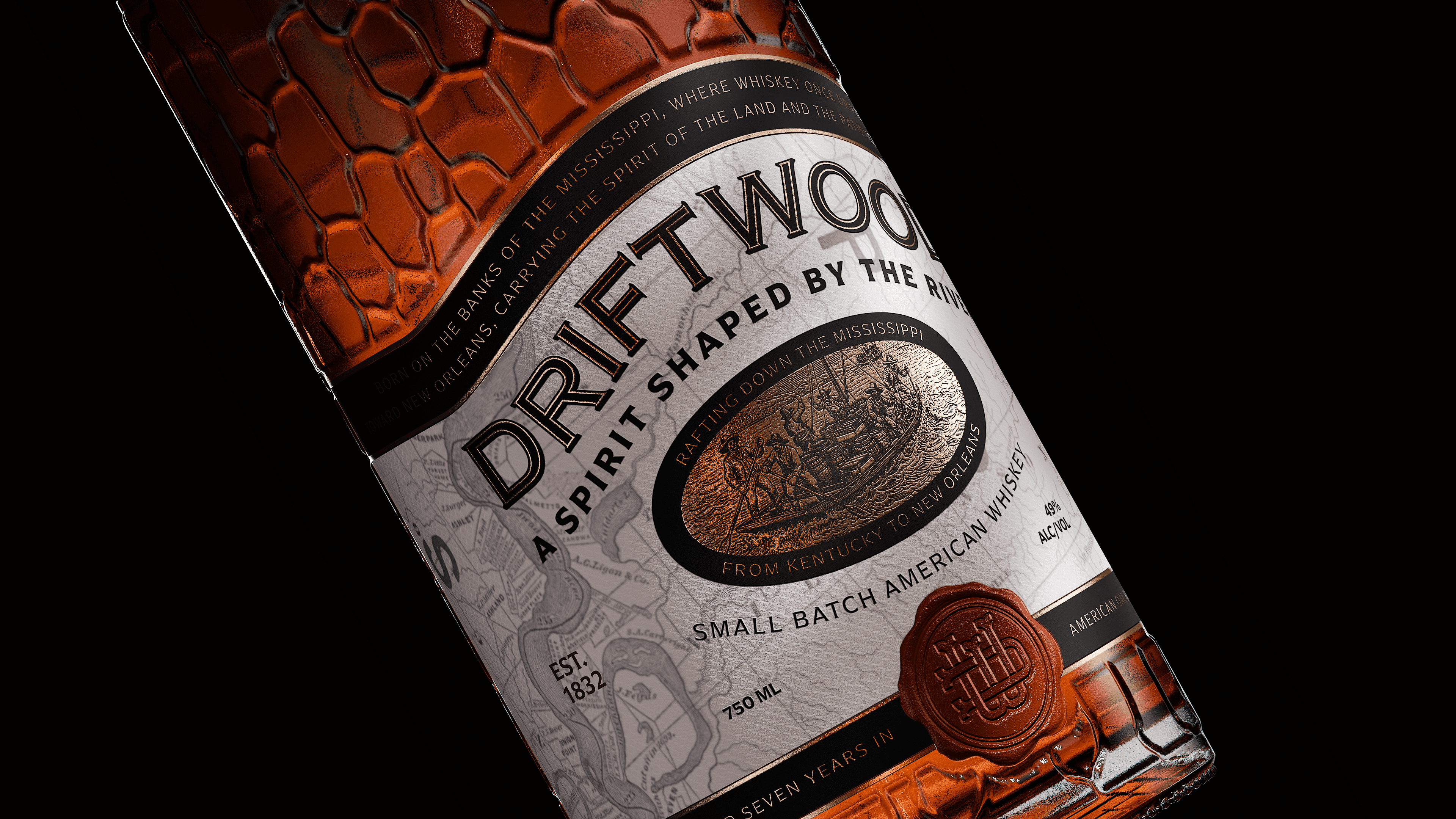
Different colors don’t mean different thinking
When brands try to create variation, color is often the first tool they use.
A new SKU is introduced, and the color changes. Sometimes the tone shifts, sometimes the contrast increases, sometimes finishes are adjusted.
But the structure remains exactly the same.
The hierarchy does not change. The layout does not evolve. The way the label is built stays consistent across every product.
As a result, the products may look different at a glance, but they are still based on identical thinking.
Color creates separation, but not identity. Without a deeper system, variation becomes superficial.
Most brands change the surface, not the structure
Surface-level changes are easy to apply.
Color, texture, finishes, decorative details. These elements can be adjusted quickly to refresh a design or differentiate products within a range.
Structure is different.
Structure defines how the packaging works. It determines how information is organized, how elements relate to each other, and how the brand behaves across multiple expressions.
Most brands avoid redefining this layer. They stay within familiar frameworks and only adjust what sits on top.
This leads to packaging that evolves visually, but not conceptually. And without structural difference, the brand remains indistinguishable from others in the category.
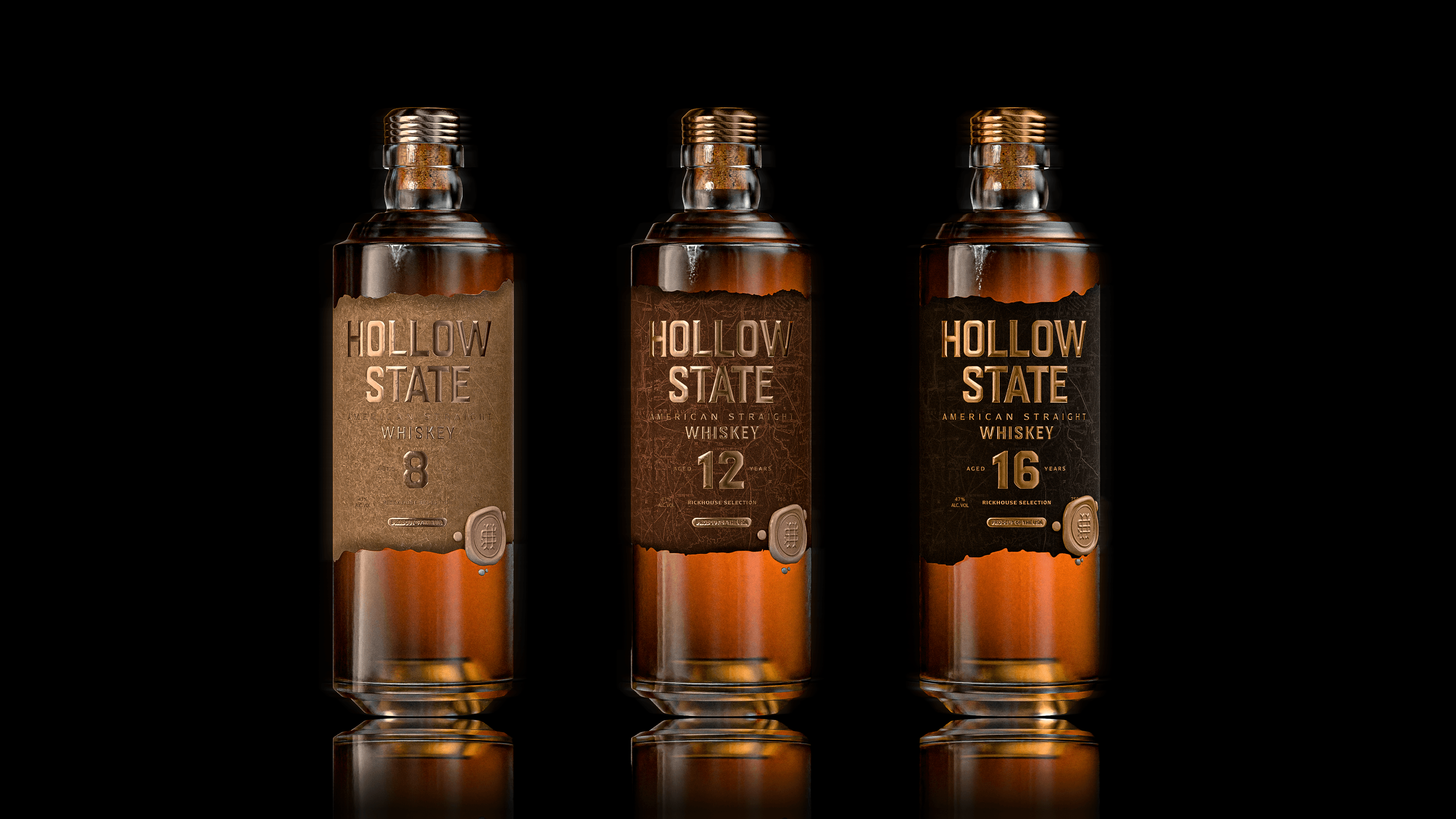
Most whiskey brands look different. But feel identical
At a distance, many whiskey brands appear distinct.
Different labels, different tones, different stylistic choices.
But when you look closer, the underlying logic is often the same.
Similar compositions.
Similar typographic hierarchies.
Similar ways of communicating heritage and craft.
The result is a category full of variation, but very little differentiation.
The designs are not copies of each other, but they are built from the same assumptions. And that is why they end up feeling identical.
Conclusion
Most spirits packaging does not feel generic because it lacks effort or quality.
It feels generic because it is built on shared signals, familiar structures, and repeated assumptions.
Brands aim to look premium, but in doing so, they align too closely with what already exists. They change surface elements, but rarely challenge the underlying system.
Over time, this creates a category where everything looks good, but very little stands out.
True distinction does not come from adding more detail or increasing variation.
It comes from building a clear identity, defined by structure, and applied consistently across every product.
That is what most spirits packaging is missing.