Spirits Packaging
Why Bottle Choice Matters More Than Most Spirits Brands Think
Bottle selection shapes perception from the start. The right structure can strengthen your brand story, improve shelf presence, and elevate the entire packaging system.
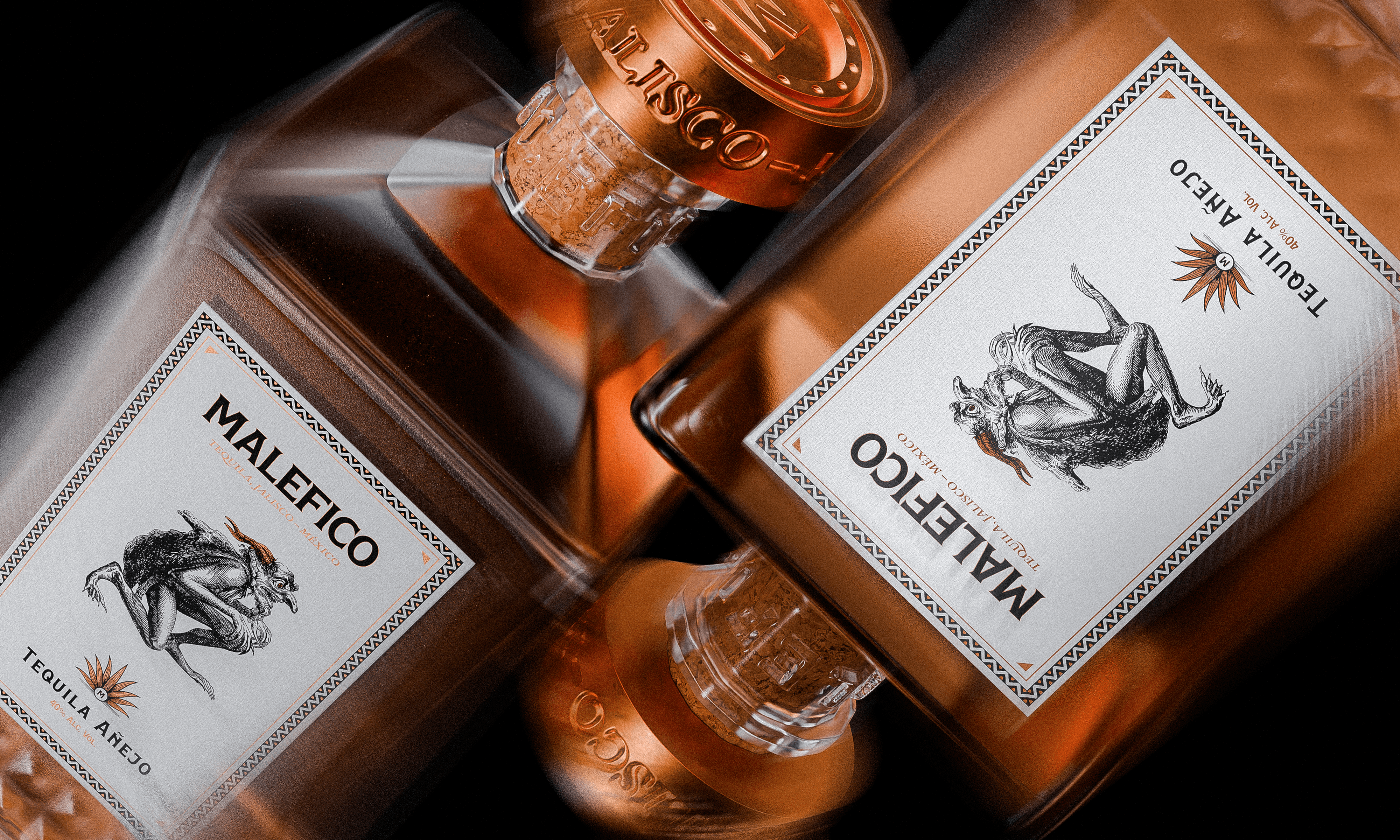
When people talk about packaging design for spirits, they often focus on the label first. But in many cases, the bottle itself is doing just as much work, if not more.
Before a customer reads a word, they register the silhouette, the proportions, the weight, the shoulders, the neck, the base, and the closure. These structural cues immediately begin to shape expectations. They suggest whether the product feels traditional or contemporary, refined or playful, mass-market or premium.
A strong bottle choice can elevate an otherwise simple label design. A weak bottle choice can limit even the best visual concept.
Structure is one of the most powerful tools in spirits branding because it affects both perception and physical presence. On shelf, a distinctive silhouette helps create recognition from a distance. In hand, the bottle influences how substantial and valuable the product feels. Even subtle differences in height, glass weight, or shoulder shape can change the entire reading of a brand.
The right bottle should support the positioning of the spirit. A heritage-led whiskey may benefit from a form that feels grounded, tactile, and timeless. A modern aperitif or cocktail range may need something cleaner, more direct, and more scalable. A premium gin might require a balance between elegance and recognisability. There is no single correct answer, but there should always be a clear reason behind the choice.
This is where many brands miss an opportunity. They select a stock bottle based only on availability or cost, then try to create distinction exclusively through graphics. In reality, the best results usually come when structure and visual identity are considered together. The bottle does not sit underneath the design. It is part of the design.
Closure choice matters too. A screw cap, bar top, cork, or custom closure changes the emotional reading of the pack immediately. It also affects user experience, production costs, and perceived quality. These decisions should be made strategically, not as an afterthought.
There are, of course, commercial constraints. Budget, supplier availability, MOQ requirements, lead times, and technical limitations all play a role. But constraints do not remove the need for clear design thinking. In many cases, the challenge is not finding the most unusual bottle possible. It is choosing the most appropriate one and using it to build a convincing packaging system around it.
The bottle also affects how the label behaves. Curvature, flat areas, available height, and transitions around the shoulders all influence what is possible graphically. A label can look elegant on one bottle and compromised on another. That is why structural decisions should ideally happen before the packaging design is finalised.
For brands entering a competitive market, bottle selection is not just a technical step. It is a strategic one. It influences shelf impact, production quality, brand perception, and the overall coherence of the final product.
In spirits packaging, the bottle is never neutral. It is one of the clearest signals a brand sends before the customer ever tastes what is inside.