Packaging Stragtegy
Why most brands fail at packaging systems
Designing a single label is easy. Building a packaging system that works across a range is where most brands fail.
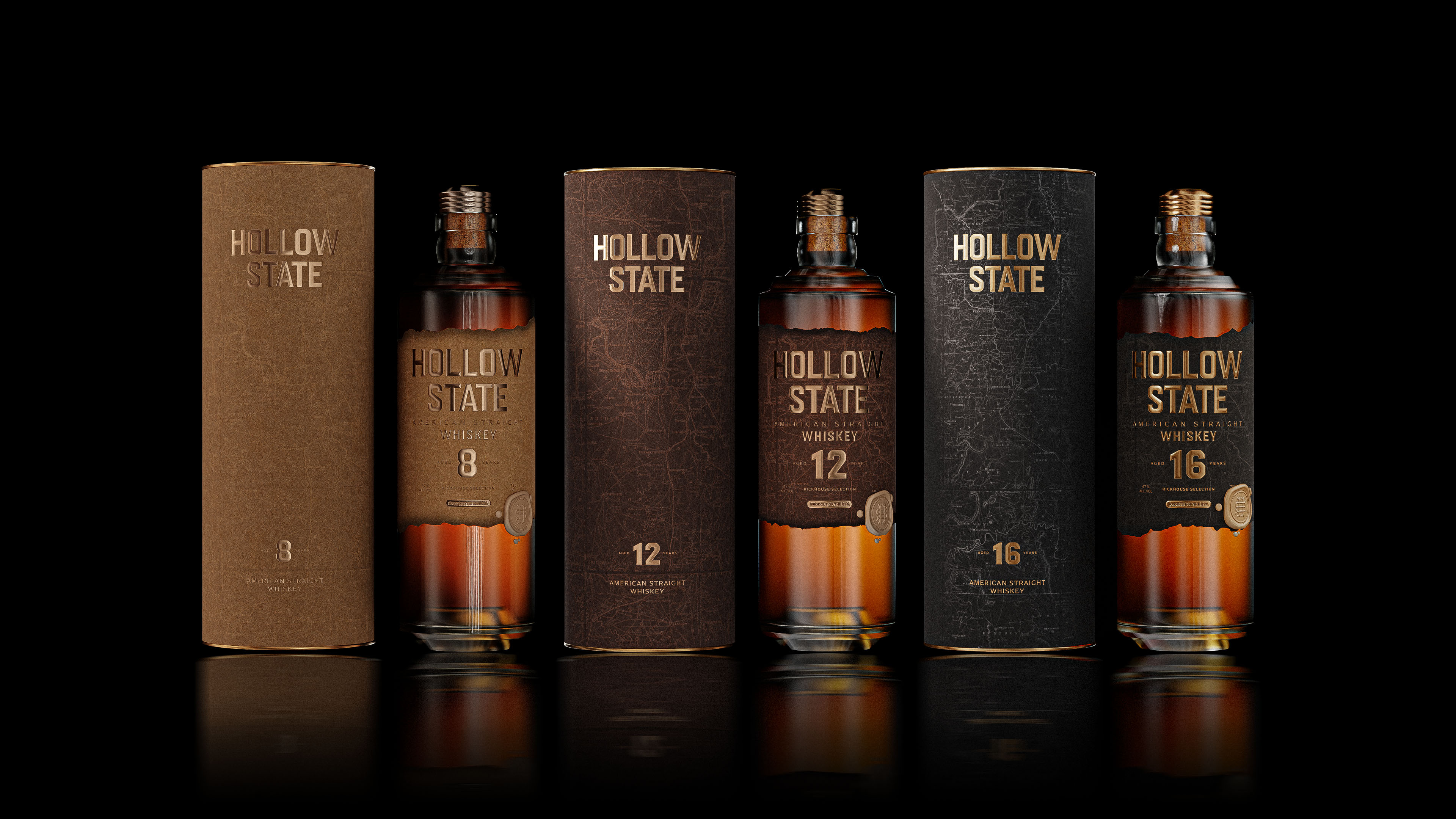
Packaging often works once, but not twice
Most packaging looks good in isolation. A label can feel considered, premium, and well resolved on a single product. The problem usually appears later, when the brand needs to grow.
A second SKU is introduced, then a third, and suddenly what once looked like a strong identity starts to lose coherence. Each new product seems to require a new set of decisions. The visual language shifts, the hierarchy changes, and the range begins to feel less like a brand and more like a collection of separate designs.
This is where many brands fail. They focus on designing packaging for one product, but never build a system that can support the brand over time.
A single good label doesn’t build a brand
One of the most common mistakes in packaging is assuming that a strong first label is enough. It can create the impression of a strong brand, but it does not guarantee consistency across a range.
Without an underlying structure, every new addition becomes a new design problem. Each product starts from zero, and the identity relies too heavily on surface-level choices rather than on a clear framework. That is why many brands feel resolved at launch, but weaker as their portfolio expands.
A brand is not built through one good piece of packaging. It is built through repeated decisions that remain recognizable across every expression.
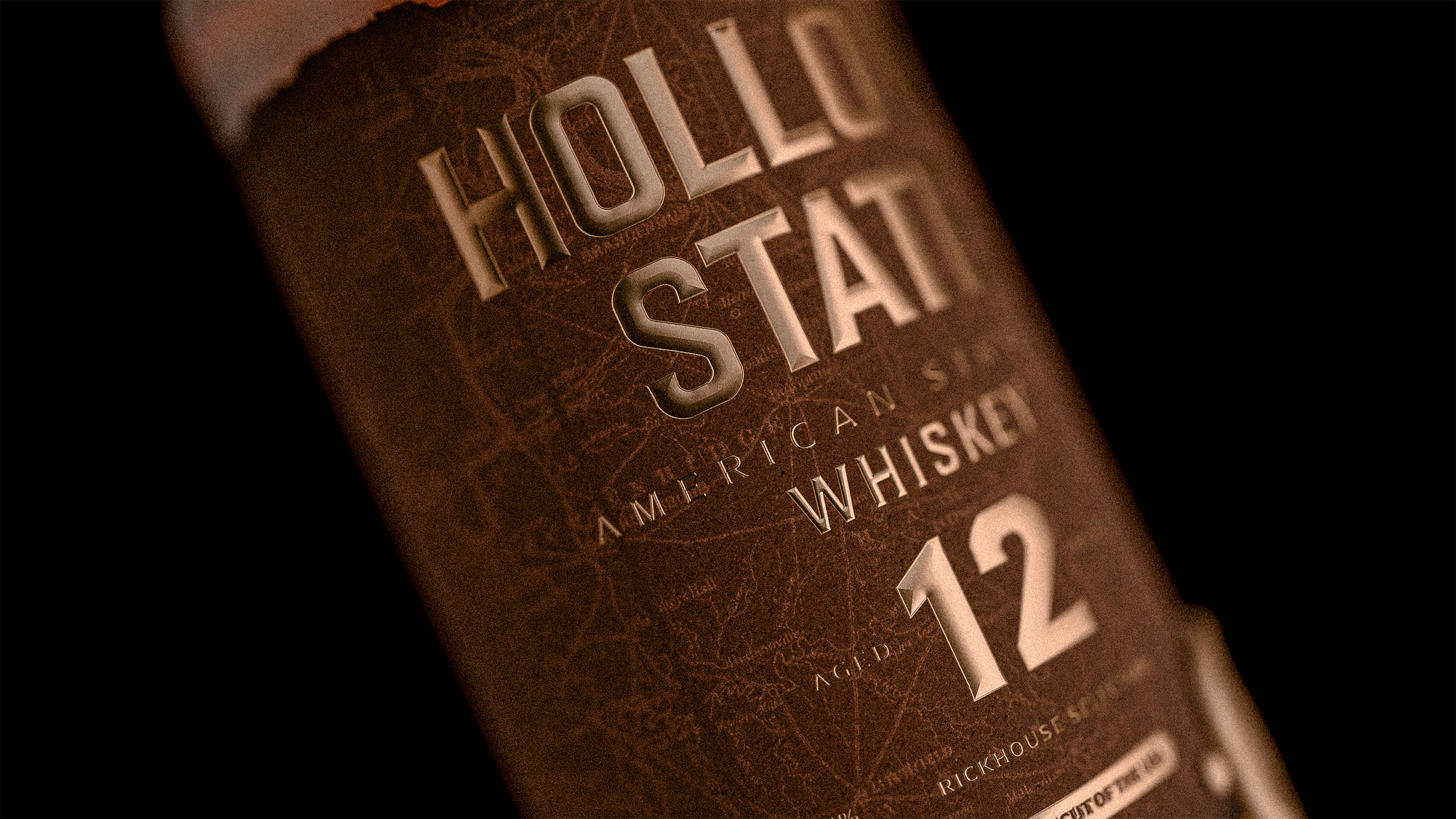
Variation is not the same as a system
When brands realize this, the usual reaction is to introduce variation. They change colors, add more detail, or alter the layout from one SKU to the next in an attempt to create difference.
But variation without structure usually creates inconsistency, not recognition.
A packaging system is not just a way to make products look related. It is a way of defining what can change and what must remain consistent. That might include layout proportions, typographic hierarchy, placement of information, color logic, or material strategy. The point is not to remove flexibility, but to make that flexibility controlled.
A strong system allows products to evolve without losing their identity. A weak one makes every variation feel accidental.
Recognition is built through repetition
Strong brands are not remembered because they reinvent themselves with every product. They are remembered because they repeat the right things consistently.
Recognition comes from structure, not novelty. It comes from seeing the same logic applied again and again across different touchpoints, until the brand becomes familiar before the consumer has even read the name.
This is why repetition matters so much in packaging. It is not a limitation. It is how recognition is built.
When repetition is intentional, it creates trust, clarity, and stronger shelf presence. When every product takes a different path, the brand loses the chance to become instantly recognizable.
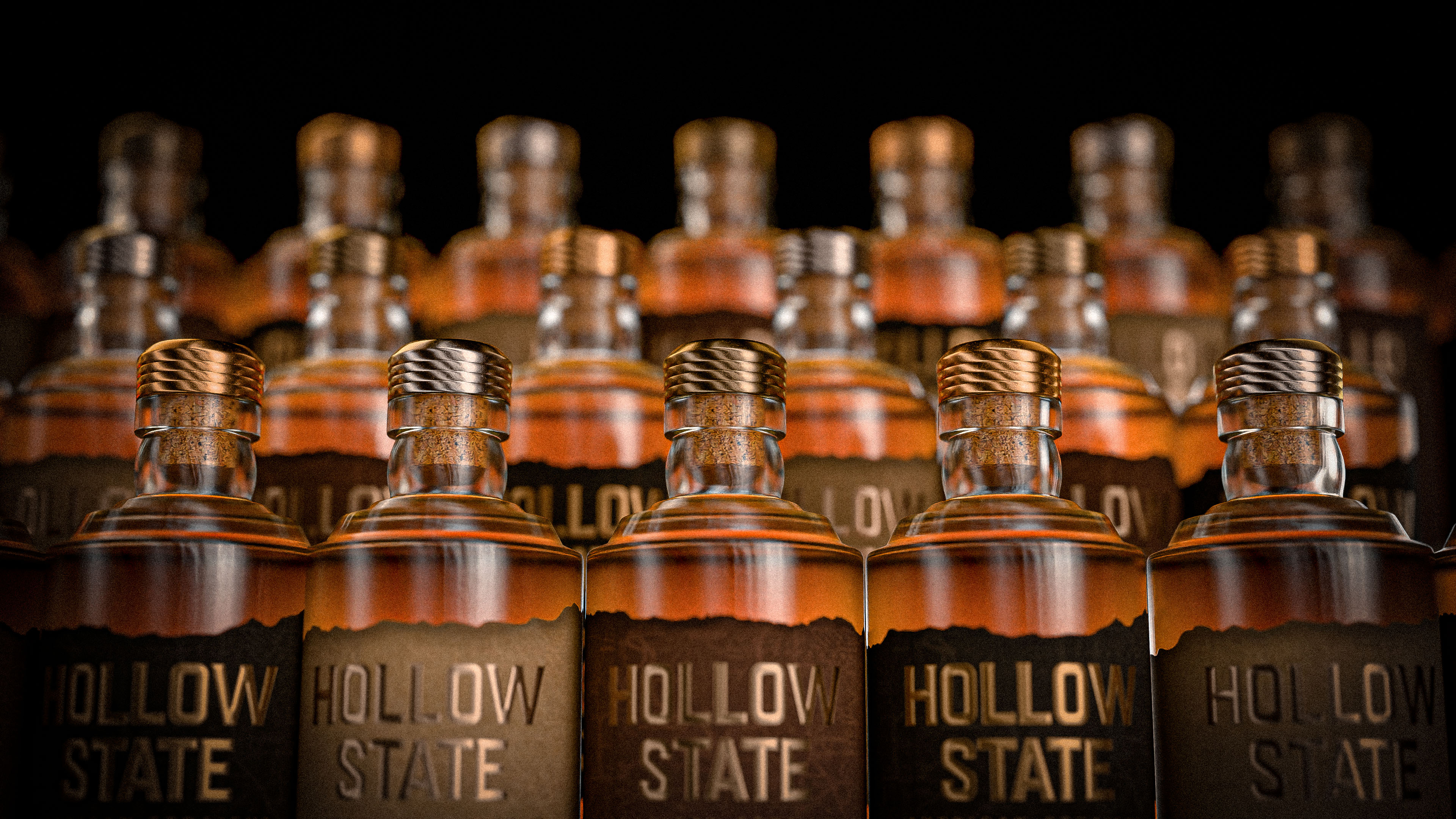
Structure matters more than surface
Surface-level changes can always attract attention in the short term. A new color, a more decorative label, or a heavier finish may create a moment of interest. But long-term recognition comes from structure.
What makes a brand memorable is not only how it looks, but how consistently it behaves. The relationship between elements, the placement of information, the rhythm across the range, and the overall architecture of the packaging are what create identity that lasts.
That is why brands are remembered by structure, not decoration. Decoration can enhance a system, but it cannot replace one.
What to do instead
The solution is not to design more creatively for each product. It is to design more strategically from the start.
A strong packaging system begins by defining the rules that will hold the range together. It establishes what should remain constant, what can vary, and how the brand should be recognized across different products, formats, and future extensions.
Once that structure exists, variation becomes an asset rather than a risk. The range can grow, adapt, and evolve while still feeling clearly part of the same brand.
That is what most packaging systems fail to do, and it is also what separates packaging that only looks good once from packaging that truly builds a brand.
Conclusion
Most brands do not fail because their packaging is unattractive. They fail because it is incomplete.
They invest in a label, but not in a system. They create variation, but not consistency. They add premium cues, but do not build premium structure.
Over time, those weaknesses become visible. Recognition fades, new products feel disconnected, and the brand loses the clarity it needs to grow.
A single good label does not build a brand. A packaging system does.