Spirits Packaging
Why Most Whiskey Packaging Feels the Same (And How to Avoid It)
Many whiskey brands rely on the same visual codes. Here’s how to break away while still feeling credible.
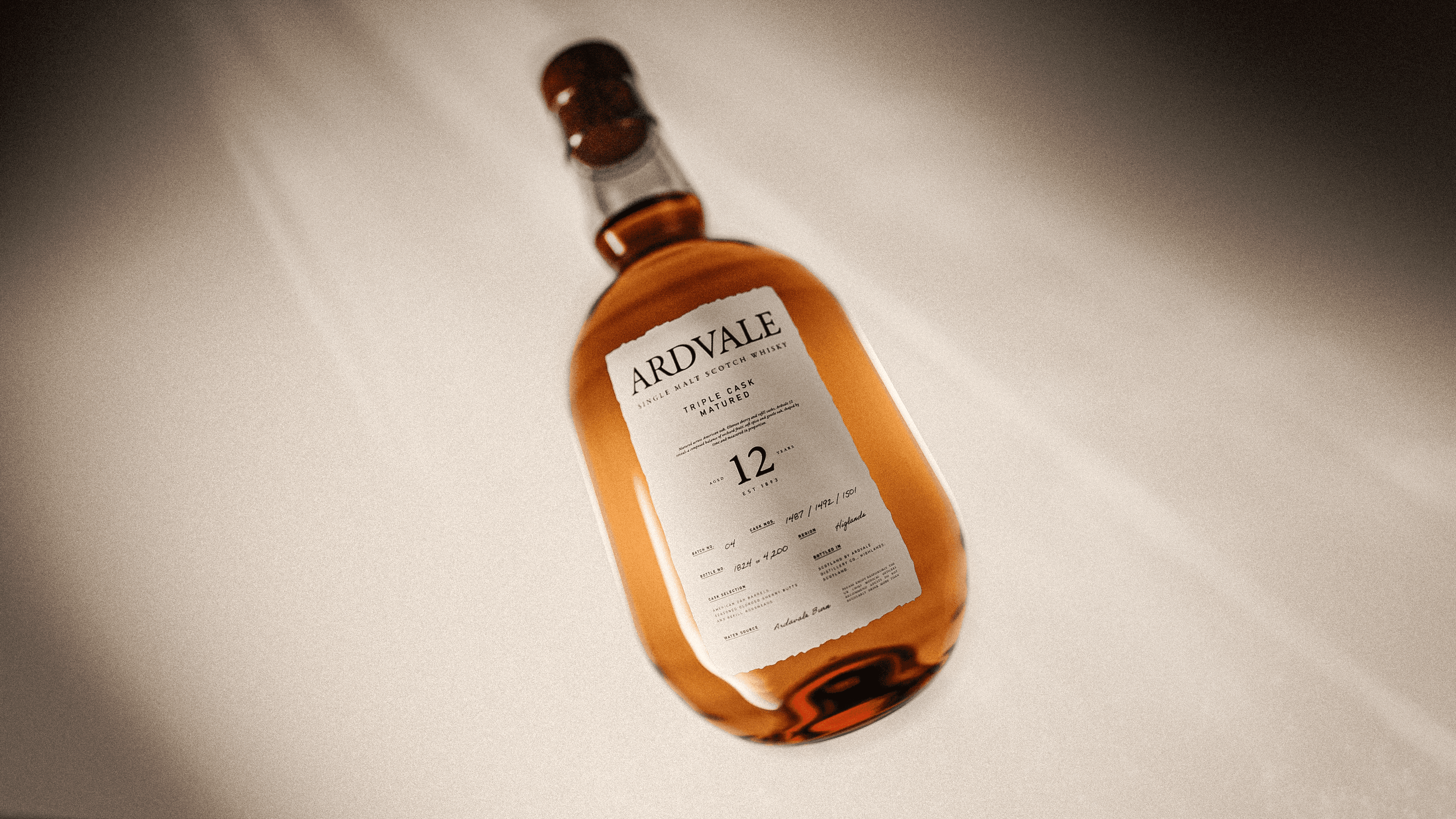
Walk into almost any liquor store and look at the whiskey section. The patterns are easy to spot.
Dark labels. Serif typography. Vintage cues. References to heritage, barrels, and tradition. These elements are not inherently wrong, but when used without intention, they lead to a category that feels repetitive.
The reason many brands default to these cues is simple: credibility. Whiskey is a category where history and authenticity matter. Designers often lean on familiar visual language to signal trust.
The challenge is that when everyone uses the same language, differentiation disappears.
Breaking away does not mean ignoring the category. It means understanding it well enough to reinterpret it.
One approach is to shift the balance between heritage and modernity. A brand can retain a sense of authenticity while introducing cleaner typography, more controlled layouts, or unexpected material choices.
Another approach is to focus on storytelling that feels specific rather than generic. Instead of referencing broad ideas like “tradition” or “craft,” stronger brands anchor themselves in more distinctive narratives. This could be linked to geography, process, philosophy, or even a particular moment in time.
Typography is often where the biggest opportunity lies. Moving away from overused type styles and creating a more distinctive typographic voice can immediately set a brand apart while still feeling appropriate.
Colour can also be used more strategically. While many whiskey brands stay within a narrow palette, subtle shifts in tone can create recognition without breaking category expectations.
Ultimately, the goal is not to reject the codes of whiskey packaging but to use them more intelligently.
The brands that stand out are not the ones that ignore the category. They are the ones that understand it deeply and choose where to align and where to diverge.